
Korean schools seek new methods as family language transmission weakens
News Briefing
AI SummaryKey Point
Korean school educators in the southeastern United States are calling for teaching methods tailored to children whose parents cannot speak Korean, Korea Daily reported. An association representing schools in the region said those children account for 50% of incoming students.
What Happened
The challenge extends beyond recruiting new students: Educators say limited language support at home and a steep decline in participation in the upper elementary grades make sustained learning difficult. Schools are seeking ways to keep children engaged while fostering Korean-American identity.
Korean school educators in the southeastern United States are calling for teaching methods tailored to children whose parents cannot speak Korean, Korea Daily reported. An association representing schools in the region said those children account for 50% of incoming students.
The challenge extends beyond recruiting new students: Educators say limited language support at home and a steep decline in participation in the upper elementary grades make sustained learning difficult. Schools are seeking ways to keep children engaged while fostering Korean-American identity.
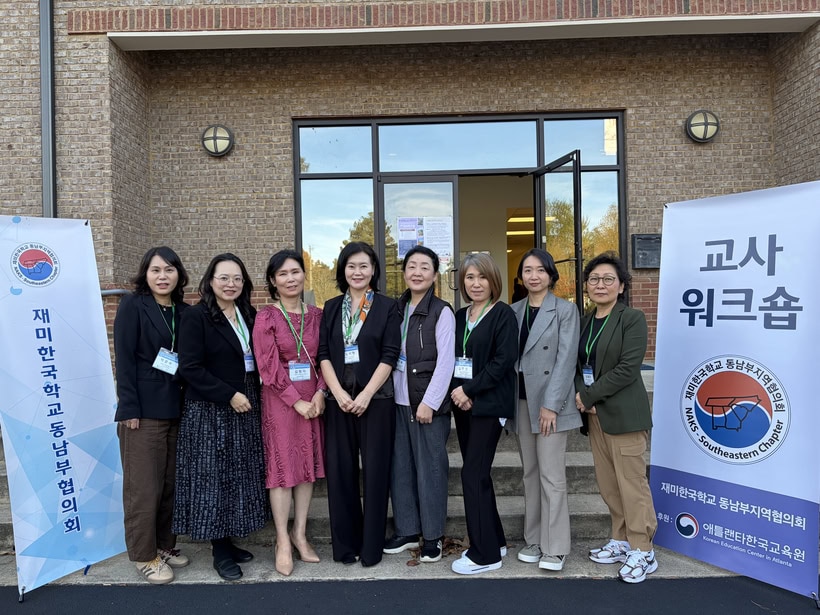
Roh Si-hyun, president of the Association of Korean Schools in the Southeastern America, hosted a teachers’ workshop at Sugarloaf Korean Church, according to Korea Daily. Roh said fewer students arrive with Korean passed down by their parents, who often lack the language skills to help with homework.
Grandparents who regret not teaching Korean to their own children are bringing grandchildren to Korean schools, the publication reported. Educators said instruction needs to reflect those family circumstances rather than assume students receive Korean-language support at home.
Roh said participation falls as students get older, with a substantial decline beginning in fifth and sixth grades. Educators also cited the curriculum’s limited connection to college entrance exams as an obstacle to continued study, according to Korea Daily.
Lee Hee-won, a Korean professor at the University of North Georgia, said teachers should account for students’ uneven bilingual abilities and use games and activities to build interest. Roh called for a systematic approach to keeping students enrolled.
The regional association includes about 40 Korean schools in five states, including Alabama and Tennessee, Korea Daily reported. Twenty schools closed following the COVID-19 pandemic, which restricted in-person classes.
Korean schools also teach history and mark Korean national events to foster Korean-American identity, according to Korea Daily. Educators said locally adapted lessons and sustained attention to retention are needed to help students continue learning.
This article was written by OC LifeHub staff with AI assistance, based on reporting by Korea Daily, and fact-checked against the source.
Article Facts
Korea Daily
koreadaily
Community
Nov 9, 2026
11 days ago
Neutral
Open the original article for full context
Go to Korea Daily to read the complete story, quotes, and full reporting context.