UC Irvine researchers identify surfer chest growths
News Briefing
AI SummaryKey Point
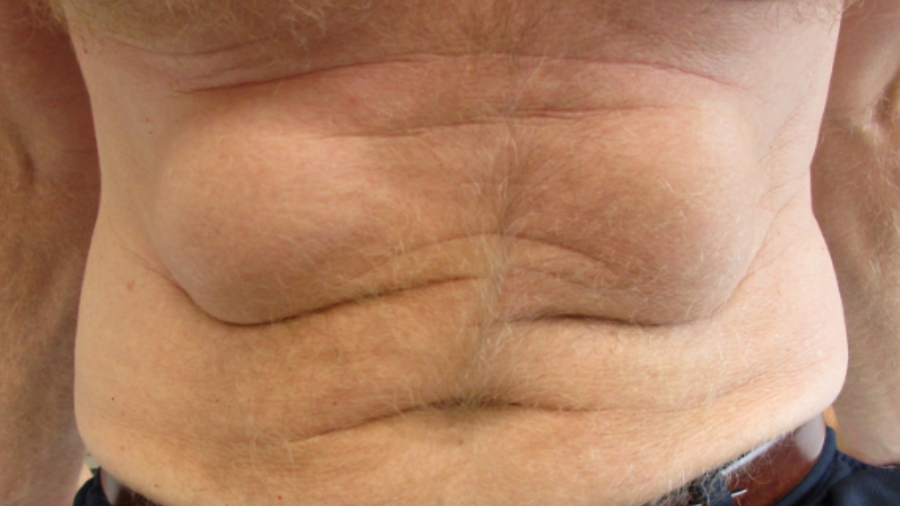
UC Irvine researchers in Orange County have identified liposurfomas, benign fatty chest growths in longtime surfers that can be mistaken for cancer, KTLA reported Monday.
What Happened
The finding could help surfers and doctors distinguish the condition from cancer and avoid unnecessary testing or treatment, according to KTLA.
UC Irvine researchers in Orange County have identified liposurfomas, benign fatty chest growths in longtime surfers that can be mistaken for cancer, KTLA reported Monday.
The finding could help surfers and doctors distinguish the condition from cancer and avoid unnecessary testing or treatment, according to KTLA.
KTLA reported that liposurfomas are fatty, benign growths that develop on surfers’ chests after repeated low-intensity trauma from contact with a surfboard during prone paddling.
The study followed seven patients with the condition and found the masses appear to uniquely affect shortboard surfers. KTLA reported the growths also increased in size as surfing activity increased.
Dr. Jeffrey Klein, a dermatology professor at UC Irvine, told KNX News the benign masses can often be mistaken for cancer, according to KTLA.
KTLA reported that liposurfomas will likely persist if a person continues surfing. The growths can be treated with liposuction or surgical removal.
Surfers with soreness or discomfort may use wetsuits with foam padding over the compression area, KTLA reported. The outlet said liposurfomas are distinct from “surfer’s knots,” which are rock-hard, fibrotic masses mostly affecting the lower extremities of longtime surfers.
The research places an Orange County institution at the center of identifying a surfing-related condition that may affect how chest masses in longtime surfers are evaluated.
This article was written by OC LifeHub staff with AI assistance, based on reporting by KTLA, and fact-checked against the source.
Article Facts
KTLA
ktla
Health
Oct 5, 2026
about 9 hours ago
Neutral
Open the original article for full context
Go to KTLA to read the complete story, quotes, and full reporting context.