Jazz saxophonist Sonny Rollins, restless genius of improvisation, dies at 95
News Briefing
AI SummaryKey Point
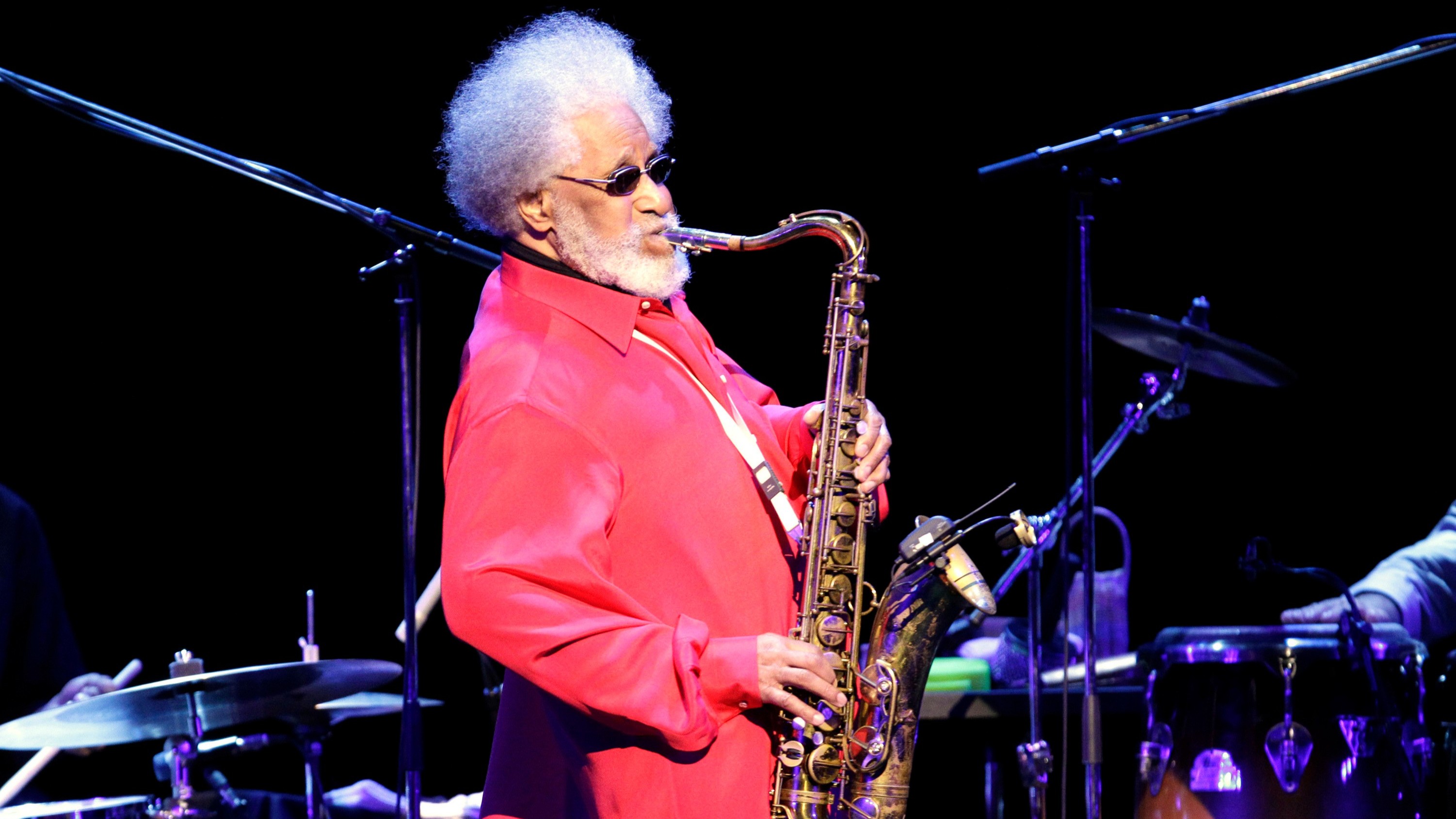
Sonny Rollins, the tenor saxophonist whose soaring improvisations and uncompromising artistry shaped jazz across five decades, died Monday at his home in Woodstock, New York, according to ABC7 Los Angeles. He was 95.
What Happened
Rollins stood alongside John Coltrane and Charlie Parker as one of the defining voices of the saxophone, revered for a bold, distinctive tone and improvisational depth that influenced generations of musicians. His death closes the final chapter of jazz's mid-20th century golden generation.
Sonny Rollins, the tenor saxophonist whose soaring improvisations and uncompromising artistry shaped jazz across five decades, died Monday at his home in Woodstock, New York, according to ABC7 Los Angeles. He was 95.
Rollins stood alongside John Coltrane and Charlie Parker as one of the defining voices of the saxophone, revered for a bold, distinctive tone and improvisational depth that influenced generations of musicians. His death closes the final chapter of jazz's mid-20th century golden generation.
Spokesperson Terri Hinte confirmed the death, according to ABC7 Los Angeles. No specific cause was cited; Rollins had been largely housebound in recent years because of various physical problems, including pulmonary fibrosis, which ultimately forced him to stop performing.
Born Theodore Walter Rollins on Sept. 7, 1930, in Harlem, he was largely self-taught on saxophone and earned his first major break when Thelonious Monk invited him to join his band in his late teens. Addiction brought early setbacks: Rollins became dependent on heroin at 19 and served two jail stints — 10 months in 1950 and three months in 1953 — before entering a hospital in Lexington, Kentucky, in 1954 for drug treatment.
"I began to have a deeper philosophy of what life was about. From that point on is when my consciousness awoke," he told The Associated Press in 2007.
His 1956 album *Saxophone Colossus* became a landmark of the jazz canon. In the late 1950s, Rollins took a two-year sabbatical and practiced alone on the Williamsburg Bridge walkway in New York before returning to the stage in 1961. A trip to Japan introduced him to Zen Buddhism and prompted another long withdrawal into the early 1970s. He received a Guggenheim fellowship in 1972 and was inducted into the DownBeat Hall of Fame in 1973. Grammy Awards followed for *This Is What I Do* in 2001 and for a solo on *Why Was I Born?* in 2006. He also appeared on the Rolling Stones' 1981 album *Tattoo You*, contributing a wistful saxophone solo to "Waiting on a Friend."
"The thing that I am most proud of in my career is that fact that I was able to see beyond being popular and all that stuff, and do what my inner self told me to do," Rollins told the AP in 2007.
His last concert came in 2012, and he stopped playing altogether in 2014. His wife, Lucille, died in 2004. He is survived by his nephew Clifton Anderson and nieces Vallyn Anderson and Gabrielle DeGroat.
In a 2020 interview with The New York Times, Rollins reflected on mortality with characteristic equanimity: "After I get out of this planet I'm not going to have any say about what's going on, so I'm not worried about that. And, boy, I agonize over my music; I won't have to agonize about it anymore. Thank God."
This article was written by OC LifeHub staff with AI assistance, based on reporting by ABC7 Los Angeles, and fact-checked against the source.
Article Facts
ABC7 Los Angeles
abc7
Culture
May 27, 2026
5 months ago
Neutral
Open the original article for full context
Go to ABC7 Los Angeles to read the complete story, quotes, and full reporting context.