
Moving 204 sea turtle eggs may save nests from storm surf, officials say
News Briefing
AI SummaryKey Point
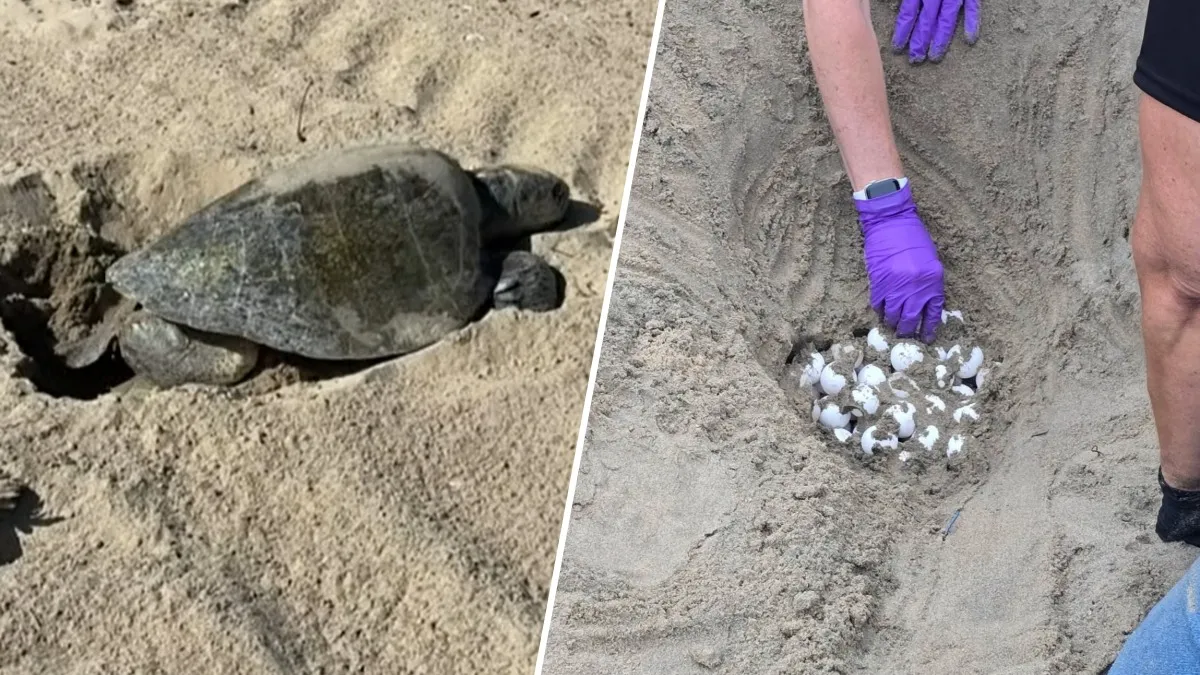
Moving 204 endangered olive ridley sea turtle eggs from two Orange County beaches to an aquarium may have spared them from destructive storm surf, wildlife officials said Friday, according to NBC Los Angeles. Whether the eggs will hatch remains uncertain.
What Happened
The Seal Beach and Huntington Beach nests were the first confirmed natural sea turtle nests on the U.S. West Coast, according to the interagency team overseeing them. Their relocation highlights a conservation trade-off: protecting eggs from flooding while exposing them to risks from handling and changes in incubation conditions.
Moving 204 endangered olive ridley sea turtle eggs from two Orange County beaches to an aquarium may have spared them from destructive storm surf, wildlife officials said Friday, according to NBC Los Angeles. Whether the eggs will hatch remains uncertain.
The Seal Beach and Huntington Beach nests were the first confirmed natural sea turtle nests on the U.S. West Coast, according to the interagency team overseeing them. Their relocation highlights a conservation trade-off: protecting eggs from flooding while exposing them to risks from handling and changes in incubation conditions.
Teams excavated the nests around dawn Sept. 25 and transported the eggs to the Aquarium of the Pacific in Long Beach for incubation, NBC Los Angeles reported. They collected 104 eggs at Seal Beach and 100 at Huntington Beach.
The nests were discovered Sept. 16 and Sept. 19. Officials determined that separate turtles had laid them, according to the interagency team overseeing the nests.
Federal and state wildlife officials decided to relocate the eggs because forecast swells and possible flooding threatened their survival. The decision involved the National Oceanic and Atmospheric Administration, California Fish and Wildlife and the U.S. Fish and Wildlife Service.
A U.S. Fish and Wildlife Service representative told City News Service on Friday that surf associated with Tropical Storm Rachel could have flooded and destroyed the nests, according to NBC Los Angeles. Both beaches recorded high surf and standing water near the original nest sites after the storm, the service said.
Wildlife officials consider relocation a last resort. The U.S. Fish and Wildlife Service cautioned that moving eggs does not necessarily increase hatching success because handling and shifts in temperature, moisture and oxygen can affect both eggs and hatchlings.
Potential hatching is expected during the first two weeks of November. Any hatchlings will be released as soon as possible on the night they emerge, with their placement near the surf determined by ocean temperatures and beach conditions.
Officials will not use artificial lights during releases because they can disorient hatchlings. Avoiding the storm threat was only one hurdle: NOAA Fisheries' Southwest Fisheries Science Center estimates that about one in 1,000 sea turtle hatchlings survives to adulthood, though survival varies.
This article was written by OC LifeHub staff with AI assistance, based on reporting by NBC Los Angeles, and fact-checked against the source.
Article Facts
NBC Los Angeles
nbclosangeles
Local
Oct 23, 2026
13 days ago
Neutral
Open the original article for full context
Go to NBC Los Angeles to read the complete story, quotes, and full reporting context.