Oil briefly tops $126 a barrel as US-Iran conflict fuels price surge
News Briefing
AI SummaryKey Point
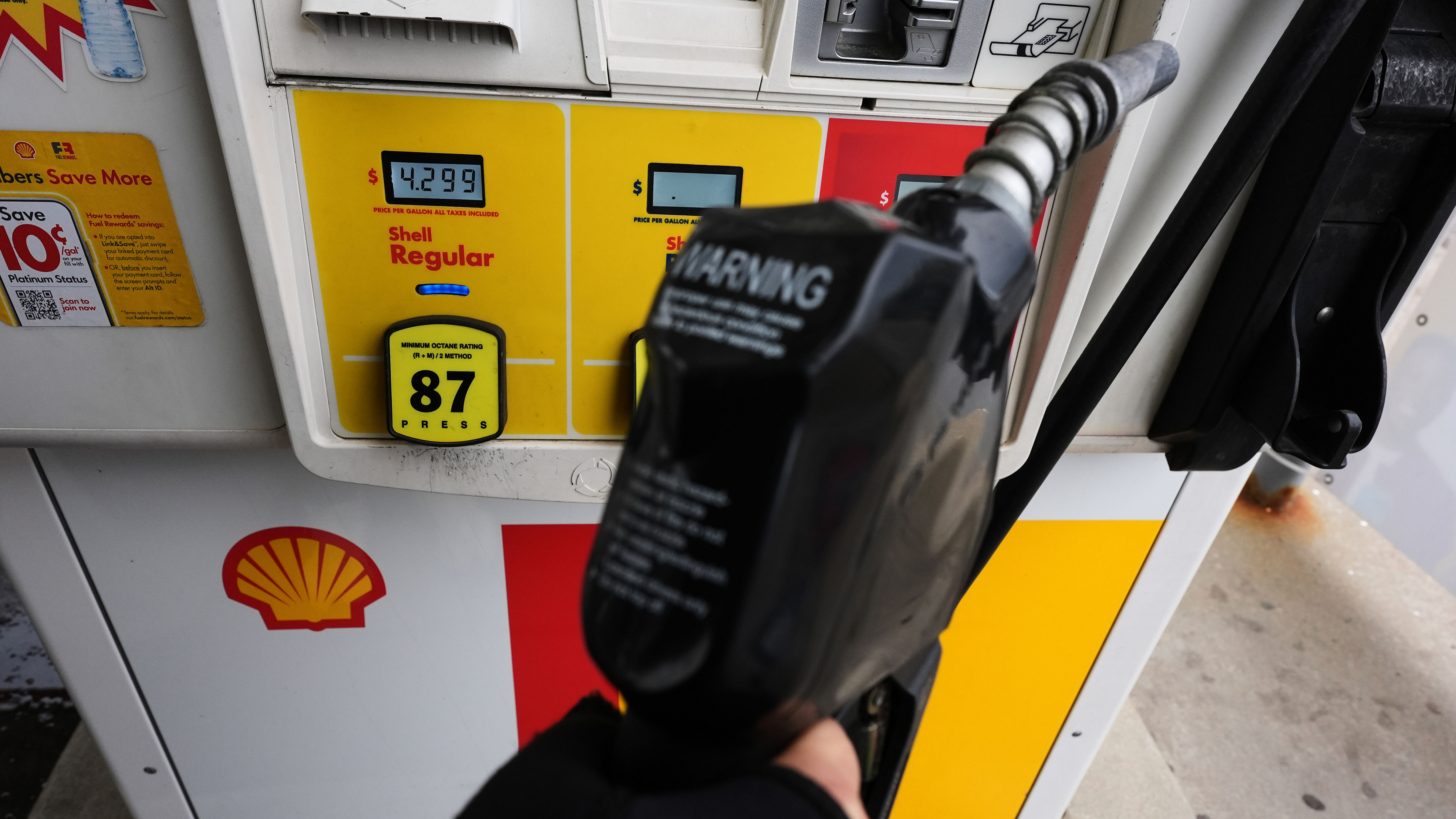
Brent crude briefly surged to $126.41 a barrel Thursday — its highest level in four years — while U.S. average gasoline prices hit $4.30 a gallon, also a four-year high, according to AAA, as global markets locked in on the worsening US-Iran conflict.
What Happened
The surge marks eight consecutive days of crude gains and reflects how the near-total closure of the Strait of Hormuz — which the International Energy Agency has called the largest supply disruption in history — is reshaping energy costs for Orange County drivers and raising recession alarms worldwide.
Brent crude briefly surged to $126.41 a barrel Thursday — its highest level in four years — while U.S. average gasoline prices hit $4.30 a gallon, also a four-year high, according to AAA, as global markets locked in on the worsening US-Iran conflict.
The surge marks eight consecutive days of crude gains and reflects how the near-total closure of the Strait of Hormuz — which the International Energy Agency has called the largest supply disruption in history — is reshaping energy costs for Orange County drivers and raising recession alarms worldwide.
Deutsche Bank analysts identified a report from Axios as Thursday's immediate spark. "The main catalyst for the latest jump in oil prices was a report from Axios, suggesting that an escalation in the conflict was still being considered as an option," the analysts wrote in a note, according to ABC7.
Neil Wilson, strategist at Saxo investment bank, said market psychology has crossed a threshold. "The oil market has moved from... hoping for resolution to fixating squarely on the physical scarcity and long-term threat to supply with the possible escalation of conflict now looming," Wilson wrote in a note cited by ABC7.
Thursday's move was sharpened by a technical factor: the June crude futures contract expired, pushing trading volume toward July contracts already priced above $110 a barrel. Brent pulled back 1.5% from its intraday peak to settle near $116.30, while West Texas Intermediate traded around $106.70.
The Strait of Hormuz has been effectively shut since late February, with daily tanker transits plunging to single digits, ABC7 reported. President Trump said he wants the U.S. naval blockade of Iranian ports to continue, while face-to-face negotiations between Washington and Tehran remain stalled. Mohsen Rezaei, a top military adviser to Iran's supreme leader, warned through state media that if the blockade persists, "Iran will respond."
Janiv Shah, vice president of oil markets at Rystad Energy, said any widening of the conflict poses severe risk. "Further escalation and any attacks on energy infrastructure could force (oil price) benchmarks to gain rapidly," Shah said, according to ABC7.
Vandana Hari, founder of energy analysis firm Vanda Insights, offered a stark assessment of the market's direction. Oil prices have "nowhere to go but up," until a permanent reopening of the strait comes into view, Hari said. "As of now, how and when that might happen is anybody's guess," she added, according to ABC7.
Beyond the pump, sustained high crude prices threaten to raise costs for petroleum-derived goods ranging from plastics and medical gloves to synthetic textiles — commodities widely used by Orange County households and businesses. Should the Strait of Hormuz remain effectively closed into the second half of 2026, economists warn the disruption could trigger a global recession and accelerate a long-term decline in crude demand, according to ABC7.
This article was written by OC LifeHub staff with AI assistance, based on reporting by ABC7 Los Angeles, and fact-checked against the source.
Article Facts
ABC7 Los Angeles
abc7
Local
Apr 30, 2026
6 months ago
Neutral
Open the original article for full context
Go to ABC7 Los Angeles to read the complete story, quotes, and full reporting context.