WHO declares Congo-Uganda Ebola outbreak a global health emergency
News Briefing
AI SummaryKey Point
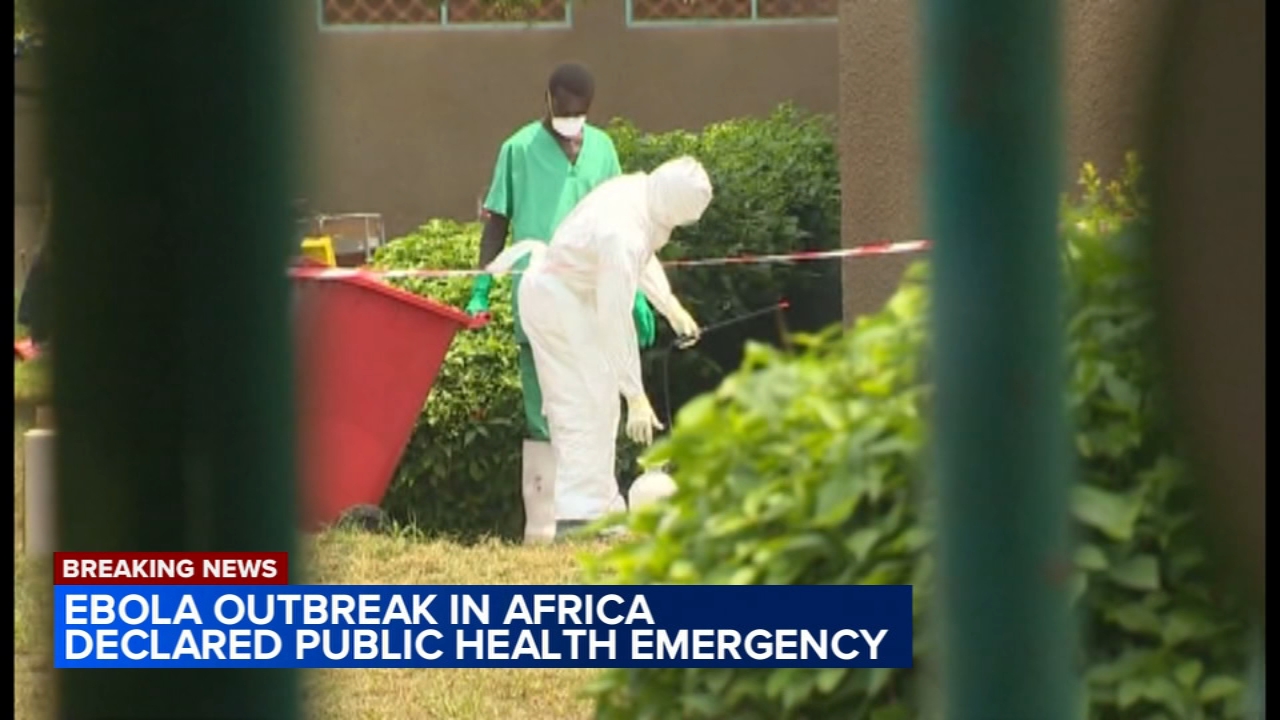
The World Health Organization on Sunday declared the Bundibugyo Ebola virus outbreak in the Democratic Republic of Congo and Uganda a public health emergency of international concern, with more than 300 suspected cases and 88 deaths reported as the disease spread more than 1,000 kilometers from its origin in the country's northeast.
What Happened
The rare Bundibugyo variant — detected only twice in history before this outbreak — has no approved vaccine or treatment, and the original source of infection remains unidentified, leaving experts unable to gauge the true scale of the crisis.
The World Health Organization on Sunday declared the Bundibugyo Ebola virus outbreak in the Democratic Republic of Congo and Uganda a public health emergency of international concern, with more than 300 suspected cases and 88 deaths reported as the disease spread more than 1,000 kilometers from its origin in the country's northeast.
The rare Bundibugyo variant — detected only twice in history before this outbreak — has no approved vaccine or treatment, and the original source of infection remains unidentified, leaving experts unable to gauge the true scale of the crisis.
WHO Director-General Tedros Adhanom Ghebreyesus warned that deep uncertainty surrounds the outbreak's true scope, according to ABC7 Los Angeles. "There are significant uncertainties to the true number of infected persons and geographic spread associated with this event at the present time," Tedros said. "In addition, there is limited understanding of the epidemiological links with known or suspected cases."
The outbreak began in April 2026 in Ituri province in eastern Congo, a region destabilized by armed conflict with militants and frequent population movement tied to artisanal mining. A laboratory-confirmed case later emerged in Kinshasa, the capital, more than 1,000 kilometers from the epidemic's epicenter. The virus has also spread to Uganda and North Kivu province.
Authorities were not alerted until May 5, by which point 50 people had already died, according to ABC7 Los Angeles. At least four healthcare workers died showing Ebola symptoms. Dr. Jean Kaseya, director-general of the Africa Centres for Disease Control and Prevention, said the unidentified index case makes the full scale of the outbreak impossible to assess. "This outbreak started in April. So far, we don't know the index case. It means we don't know how far is the magnitude of this outbreak," Kaseya said.
The Bundibugyo strain has appeared only twice before. The first outbreak struck Uganda in 2007-2008, infecting 149 people and killing 37. A second emerged in Congo in 2012, resulting in 57 cases and 29 deaths. Ebola spreads through direct contact with bodily fluids including blood, vomit and semen, placing healthcare workers at heightened risk.
Kaseya called on African governments to prioritize domestic vaccine and therapeutic manufacturing capacity. "If we are serious in this continent, we need to manufacture what we need. We cannot every single day look for others to come to tell us what they are doing," he said.
The crisis is compounded by the absence of any approved Bundibugyo-specific vaccine or treatment, ongoing armed conflict in Ituri that impedes detection efforts, and a high proportion of positive test samples that suggests the true number of cases exceeds those currently reported, according to ABC7 Los Angeles.
This article was written by OC LifeHub staff with AI assistance, based on reporting by ABC7 Los Angeles, and fact-checked against the source.
Article Facts
ABC7 Los Angeles
abc7
Health
May 17, 2026
6 months ago
Neutral
Open the original article for full context
Go to ABC7 Los Angeles to read the complete story, quotes, and full reporting context.