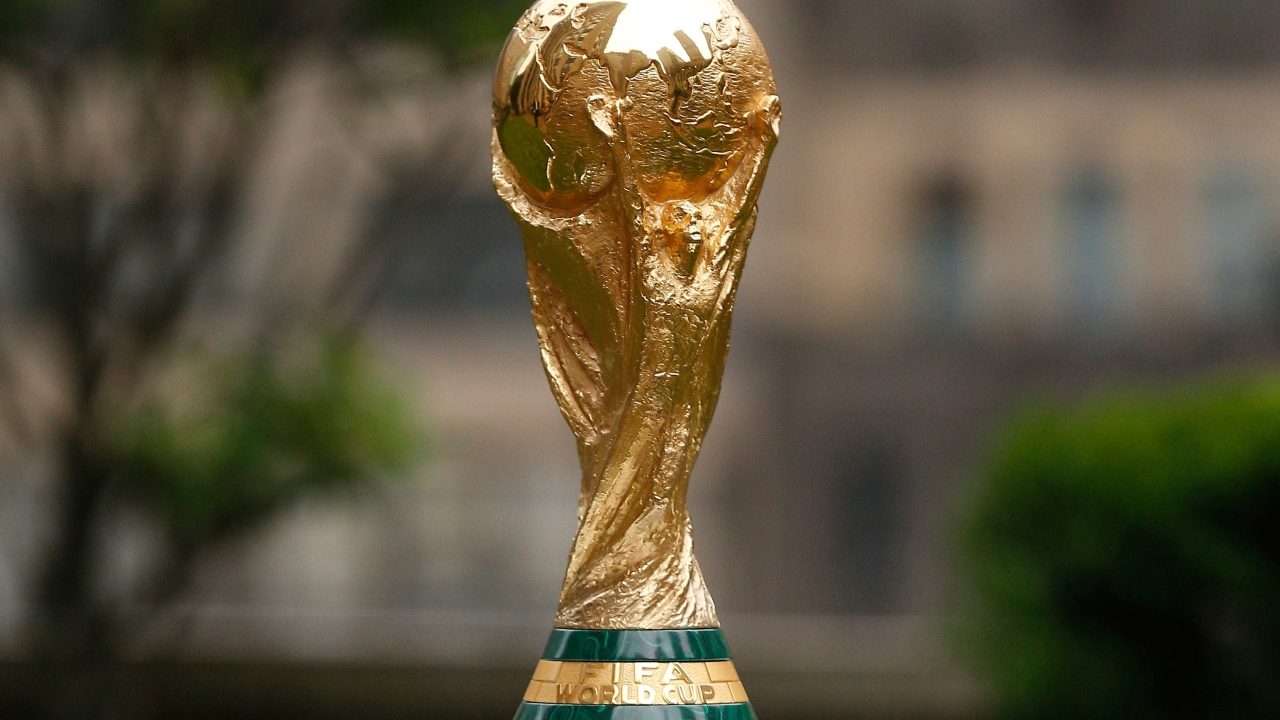
FIFA World Cup tickets draw confusion over seat downgrades, dynamic pricing
News Briefing
AI SummaryKey Point
Soccer fans buying tickets for the 2026 FIFA World Cup say they are being charged Category 1 prices but placed in lower-tier sections, as the organization's dynamic pricing model adds to widespread confusion ahead of the tournament.
What Happened
The issues affect fans across Southern California, including many in Orange County who planned to attend U.S.-hosted matches. Industry observers say FIFA's opaque seat-map policies leave buyers with little recourse after purchase.
Soccer fans buying tickets for the 2026 FIFA World Cup say they are being charged Category 1 prices but placed in lower-tier sections, as the organization's dynamic pricing model adds to widespread confusion ahead of the tournament.
The issues affect fans across Southern California, including many in Orange County who planned to attend U.S.-hosted matches. Industry observers say FIFA's opaque seat-map policies leave buyers with little recourse after purchase.
Soccer fans who purchased tickets for the 2026 FIFA World Cup are discovering their seats reassigned to lower-tier sections after completing their orders — and in some cases paying premium prices for inferior locations, ABC7 Los Angeles reported Wednesday.
"Folks were being placed in sections that they did not buy," said Danny Navarro, an influencer who guides soccer fans through the ticket-buying process. "They bought category 1, they were being placed in category 2 or if initially they got placed in a category 1 seat, they've now seen the seat maps and they've seen that their seats have actually been downgraded to category 2 but they've paid category 1 prices."
Barry Rudin, a ticket broker at Barry's Tickets, said FIFA's handling of seat categories follows a recurring pattern. "What they've done every World Cup is they've made category 1 bigger, so even though you might be getting a category 1, it's really a category 2 in some cases," Rudin told ABC7. He described the organization's overall approach bluntly: "I can tell you that FIFA is never going to be fully honest about the sales or pricing. They're a business and they're treating it like a business."
FIFA defended its seat-map practices in a statement. "These maps were designed to provide guidance rather than the exact seat layout, and reflect the general extent of each ticket category within the stadium," the organization said.
Beyond seat categories, FIFA uses a dynamic pricing model similar to airline fares, with costs fluctuating based on demand and match popularity. Matches involving Colombia, Brazil, Mexico, Canada and the United States are expected to carry the highest price tags, while remaining fixtures should become more accessible closer to game dates.
For fans still searching, Rudin offered measured optimism. "Will there be some matches that are tight? Sure. But the majority, because there's so many, are going to be easier to get tickets as it gets closer," he said.
Fans willing to wait may find better availability as the tournament approaches, but the episode underscores a recurring concern: FIFA's seat-category policies leave buyers with little protection once a purchase is complete.
This article was written by OC LifeHub staff with AI assistance, based on reporting by ABC7 Los Angeles, and fact-checked against the source.
Article Facts
ABC7 Los Angeles
abc7
Sports
May 7, 2026
5 months ago
Neutral
Open the original article for full context
Go to ABC7 Los Angeles to read the complete story, quotes, and full reporting context.